By Timothy Gardner
WASHINGTON, March 6 (Reuters) – The U.S. will provide reinsurance for losses up to $20 billion in the Gulf region, to help provide confidence for oil and gas shippers during the war on Iran, the U.S. International Development Finance Corporation said on Friday.
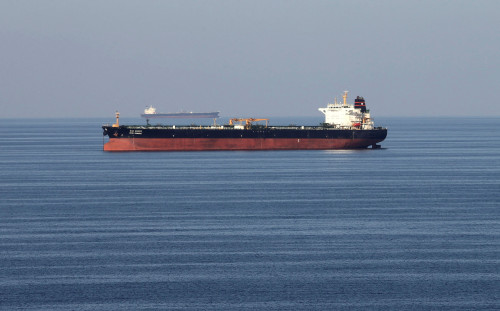
President Donald Trump on Tuesday ordered the DFC to provide political risk insurance and financial guarantees for maritime trade in the Gulf after oil and liquefied natural gas tanker transit had ground to a halt in the Strait of Hormuz waterway off Iran, where ordinarily 20% of global oil moves daily.
Trump also said the U.S. Navy could escort ships in the Gulf. But some Navy vessels are carrying out strikes against Iran and shooting down its missiles. Escorting ships also could be risky for naval escorts.
The U.S. insurance backstop will occur on a rolling basis and will initially focus on hull and machinery and cargo coverage, DFC said.
The agency will work with preferred American insurance partners, it said without providing detail. The U.S. Treasury Department and DFC, which partners with private investors to support projects in developing countries, are coordinating with the U.S. Central Command on the next steps of its plan.
Oil shipments have been largely blocked through the Strait with a number of tankers damaged by strikes and others stranded.
War-risk premiums have jumped and some providers have scaled back or withdrawn coverage.
A shipping expert said the plan may not be enough to assure the energy shipping industry if tensions flare.
“If the war keeps escalating, the maritime and energy domains will continue to serve as arenas for Iran to retaliate,” said Noam Raydan, senior fellow at the Washington Institute for Near East Policy.
Raydan said any calming effect of the coverage could be affected if Iran-backed Houthis resume attacks on shipping in the Red Sea. “If that happens, there will be two choke points critical to global trade under military threat. How will shipping be protected in that case?”
(Reporting by Timothy Gardner and Susan Heavey, additional reporting by Lisa Baertlein Editing by Louise Heavens, Chizu Nomiyama and David Gregorio)