
Dear Reader,
They declared a ceasefire!
Until they didn’t.
Then Trump said we were about to sign a deal.
Until we started shooting at each other again.
According to one source, Trump has said an Iran deal is “close” 38 times since the war began.
In the time between writing this message and you reading it, who knows whether we’ll be hearing about an imminent deal… or more bombing.
And it doesn’t matter.
This is all a distraction.
Here’s the REAL reason why Trump may NEVER end this war.
To your future,
Addison Wiggin
Founder, Grey Swan Investment Fraternity
Crude Tanker Rates Hit $1 Million a Day. Trend or Fear Trade?
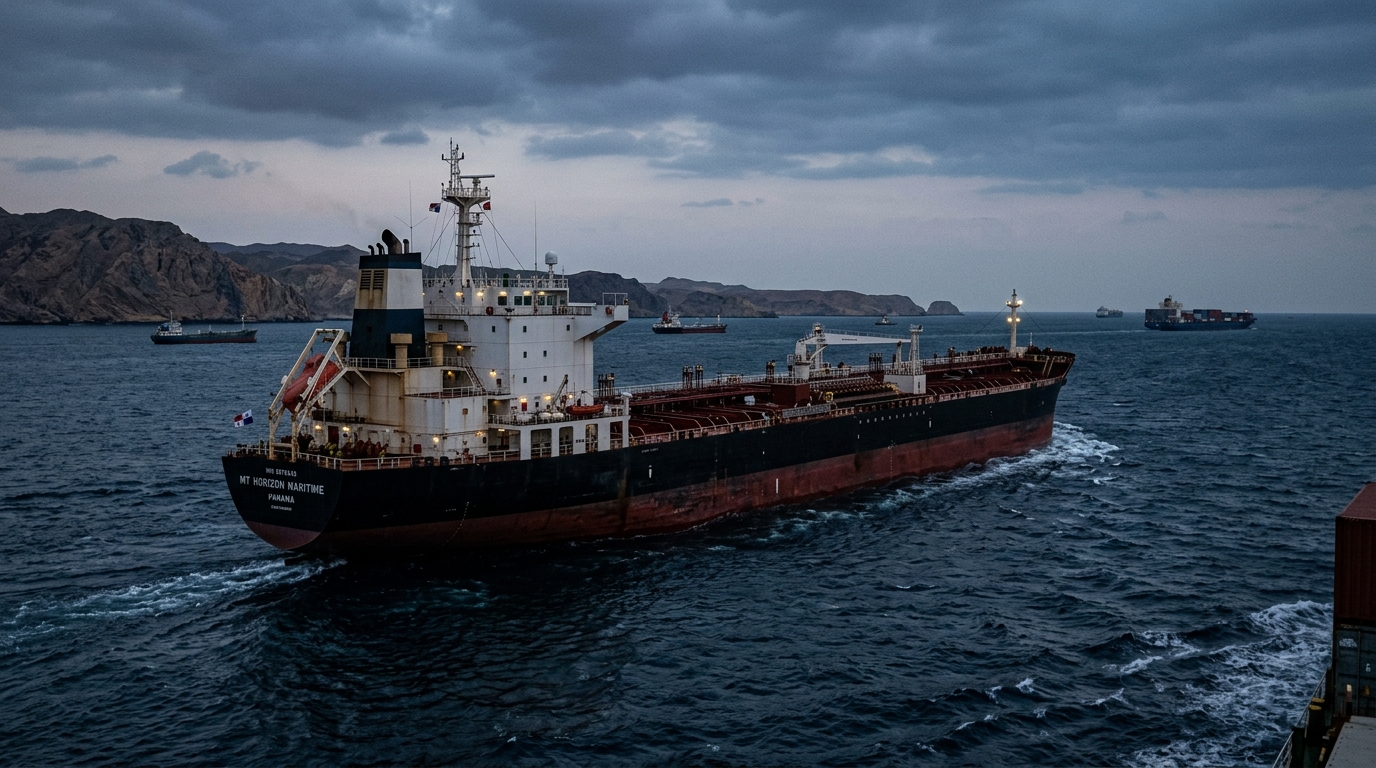
A number crossed this week that has no precedent in shipping history. Vessels hauling oil from inside the Persian Gulf to China were being hired at $1.035 million a day, according to data from the Baltic Exchange. That is not a rounding error. It is what a genuine supply shock looks like when it lands on a market.
The context behind the number matters more than the number itself. The daily rate topped $1 million amid a tightening supply of vessels whose owners are willing to risk the Strait of Hormuz. Shipping traffic through the strait has been largely curtailed since February 28, when the United States and Israel launched a campaign of strikes against Iran, prompting the IRGC to threaten and attack commercial vessels and raising fears of mines and other hazards. Daily transits remain well below pre-conflict levels, and commercial traffic through the strait has largely not recovered. Even vessels avoiding the chokepoint entirely pay a steep premium: transporting crude to China from the Gulf of Oman, which does not require transit through the strait, costs the equivalent of about $644,000 a day.
Ships forced onto longer routes spend more weeks completing each delivery, which means they cannot be used for other contracts. That effective reduction in the active tanker fleet is driving prices to levels previously unseen in the industry.
Equity markets have reflected all of this loudly. A basket of 35 U.S.- and European-listed shipping stocks has climbed about 68% in 2026, more than five times the S&P 500’s gain, with crude-tanker stocks leading the rally at roughly 120% year-to-date. Danaos has climbed about 60% and reached price levels not seen since 2008, while Frontline and Teekay Tankers have moved to their strongest levels since 2011. International Seaways recently set a new high as well.
Now comes the harder question, and it is the one that actually determines whether buying FRO, TNK, DHT, or INSW at current levels is disciplined or reckless.
Not all of the rally is durable, according to John Kartsonas of Breakwave Advisors. A meaningful chunk of this premium is fear pricing, and it could deflate quickly the moment Hormuz looks normal again. The cycle is about geopolitics and inefficiency, longer routes and stranded vessels, but not genuine new demand for seaborne trade.
That distinction is what experienced traders focus on. A rate spike driven by a supply disruption is real while the disruption lasts, but it does not compound the way demand-led growth does. The moment even a partial reopening of Hormuz becomes credible, freight futures will move first, before the first tanker clears the strait. Equity holders in FRO and DHT will feel that before the morning session closes.
The structural case is more durable. Even before the Middle East war, tanker and dry-bulk markets were already primed for a strong 2026 after a decade of underinvestment, according to J Mintzmyer of Value Investor’s Edge. Global orderbooks remained historically low entering the cycle, with limited yard availability until 2028, reinforcing expectations that supply-side discipline would persist. That part of the trade does not disappear with a ceasefire. Shipping risks are also spreading beyond the Gulf, with the war in Ukraine continuing to raise costs and risks around the Black Sea, and cyber incidents remaining a live concern across global shipping.
The lesson here is not that shipping stocks are too expensive to own. It is that they contain two different trades layered on top of each other: a fear premium that can evaporate in days, and a multi-year supply-cycle premium that was building before the first shot was fired. A trader who cannot separate those two layers does not know what they actually own.
The Trader’s Lesson: When a rate or price metric breaks a historic record, the instinct is to treat the level as confirmation of a trend. Professionals ask a different question: what has to remain true for this level to hold? In tanker shipping today, the $1 million day rate requires an effectively constrained strait and continued owner reluctance to enter the Gulf. Neither condition is permanent. Size positions accordingly, and know which part of the shipping rally you are betting on before adding exposure.