

September 17, 2026
Bonus Content: One Jobs Number Could Rewrite the Fed’s Rate Plans
There might be no clear end in sight to the Iran war…
But this escalation is likely distracting you from a stunning pattern quietly heating up in the predictions market…
Corporate and Political insiders, folks with firsthand info on potential announcements, deals, policy changes coming up and more…
Have been making sneaky yet massive bets on platforms like Polymarket…
And quietly front-running the market in the process.
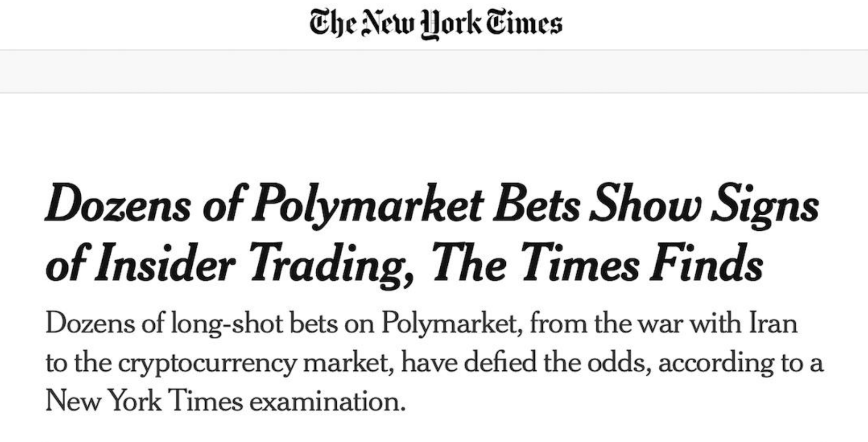
That’s why you’d have noticed news about this pattern flying around…
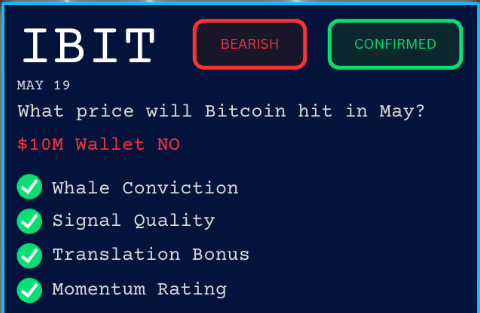
Out of the blue on May 19th this year…
I tracked a large bearish bet on Bitcoin from an account with over $10 million in volume…
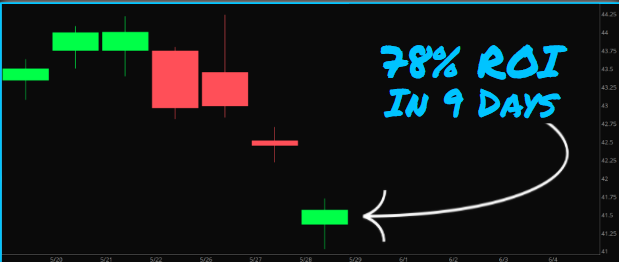
Days later… News came out that the SEC was delaying plans to further crypto innovations, obvious bad news for Bitcoin.
Acting on the bearish bet before the news came out with a quick trade locked in 78% in 9 days.
It doesn’t end there…
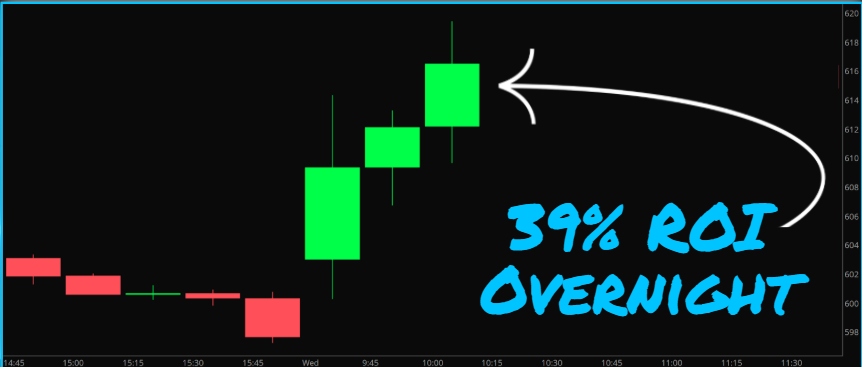
These massive insider bets also tipped off a 39% winner on META overnight.
And even 60% on TSM in 6 days.
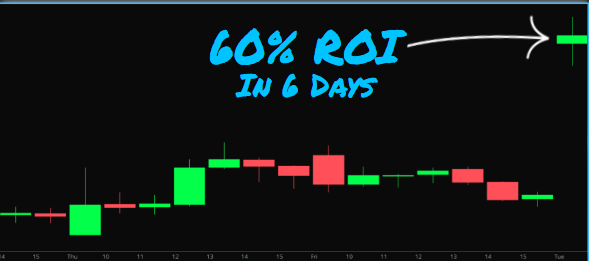
There were smaller wins and those that didn’t work and I won’t make reckless guarantees about the stock market…
But in the next few minutes…
I’ll show you the special secret I use to track these insider bets…
Better yet…
You’ll get FREE access to use this secret for yourself too… with no catch.
All you have to do is tap this link to get instant FREE access and start tracking these insider bets yourself.
To Better Trading,
Alex Reid.
One Jobs Number Could Rewrite the Fed’s Rate Plans

Yesterday the Federal Reserve delivered its first rate hike since 2023, moving the target range to 3.75%–4.00%. The move itself was almost fully priced. What markets were not fully prepared for was Chair Warsh’s press conference, where Warsh argued that financial conditions are not particularly restrictive and suggested there could be more tightening ahead. The S&P 500 dropped 0.4%, the Dow fell more than 600 points, and the Nasdaq was essentially flat. The hike was the headline. The tone was the trade.
This morning the market gets its first look at whether the economy agrees with the Fed’s hawkish posture. The day’s agenda features building permits, initial jobless claims, the Philadelphia Fed Manufacturing Index, and pending home sales, all of which will provide insights into the health of the housing market, labor conditions, and regional manufacturing activity.
Of that slate, jobless claims carry the most weight right now. Here is why: 16 of 18 FOMC participants expect at least one more rate increase this year, with a smaller group seeing two more as possible. That consensus rests entirely on a labor market firm enough to absorb additional tightening. The most recent reading showed 206,000 claims in the first week of September, loosely aligned with expectations and holding a trend of low claim counts since dropping to a near 60-year low of 189,000 in mid-July. If Thursday’s print breaks materially above 220,000, that hawkish case cracks. If it stays near 206,000, it reinforces the Fed’s read that the economy can handle another move.
The Philly Fed adds a second layer of complexity. The Empire State Manufacturing Index fell sharply to 7.6 in September, pointing to a moderation in manufacturing activity. The concerning detail was not the headline drop. The prices paid index rose five points to 63.1, edging above its recent four-year high reached in May 2026, and the prices received index rose five points to 28.1, pointing to a pickup in input price and selling price increases. If the Philadelphia survey confirms that combination, slowing activity, accelerating prices, it becomes harder for the Fed to argue that another hike will solve the inflation problem rather than simply slow growth.
For traders watching XHB and ITB, housing starts offer a read on rate sensitivity in the most interest-rate-exposed corner of the economy. Building permits are forecast at 1.400 million against a prior reading of 1.433 million, while housing starts are forecast at 1.320 million against a prior of 1.239 million. A starts beat looks bullish for homebuilders on the surface, but context matters: if construction activity is holding up despite 4% rates, that removes one argument against an October hike.
The 10-year Treasury yield around 5% is now the most important market signal. Its next move will help determine the outlook for bonds, equities, technology, and the dollar. Claims can move that yield. A weak number softens rate expectations and offers equities some relief after Wednesday’s selloff. A strong number validates the hawks and puts October firmly on the table.
The Trader’s Lesson
The discipline here is separating signal from noise inside a crowded data morning. All four reports arrive within 90 minutes. Experienced traders do not react to the first number they see. They wait to assess whether the reports tell a consistent story. One soft data point surrounded by strength is mean reversion. Three reports pointing the same direction is a theme worth trading. Today, the question is simple: does the economy look strong enough to absorb another hike? Claims will answer first. Let the full picture develop before acting on the first headline.