
September 8, 2026
Bonus Content: Rheinmetall and BAE Systems Face a Peace-Talk Time Bomb
The Part of AI Investors Keep Missing
AI feels weightless. A model on a screen. A chatbot answering questions. A chip inside a server.
But the buildout behind it is anything but weightless.
It is heavy. Physical. Expensive. And full of old-world materials most investors stopped thinking about years ago.
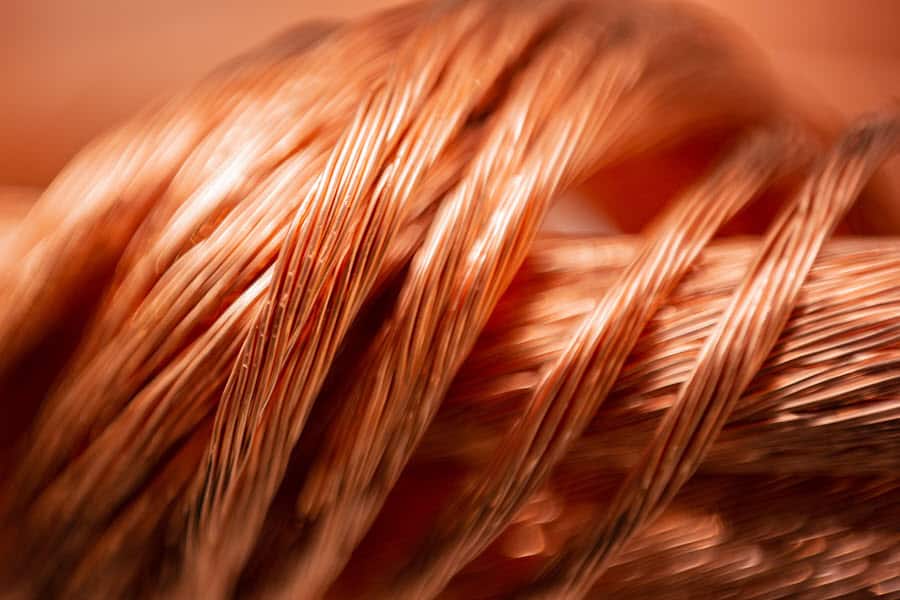
One of them is copper.
Data centers need it for wiring, transformers, substations, cooling systems, and the grid upgrades required to keep AI running.
One Microsoft data center reportedly used more than 4.8 million pounds of copper. Now thousands more data centers are planned.
That is why the AI boom may be creating a new opening outside the obvious tech names.
A small North American copper story is entering the picture while the market is still focused on chips, models, and trillion-dollar valuations.
The AI trade may look digital, but one of its next opportunities may come from the ground.
Rheinmetall and BAE Systems Face a Peace-Talk Time Bomb
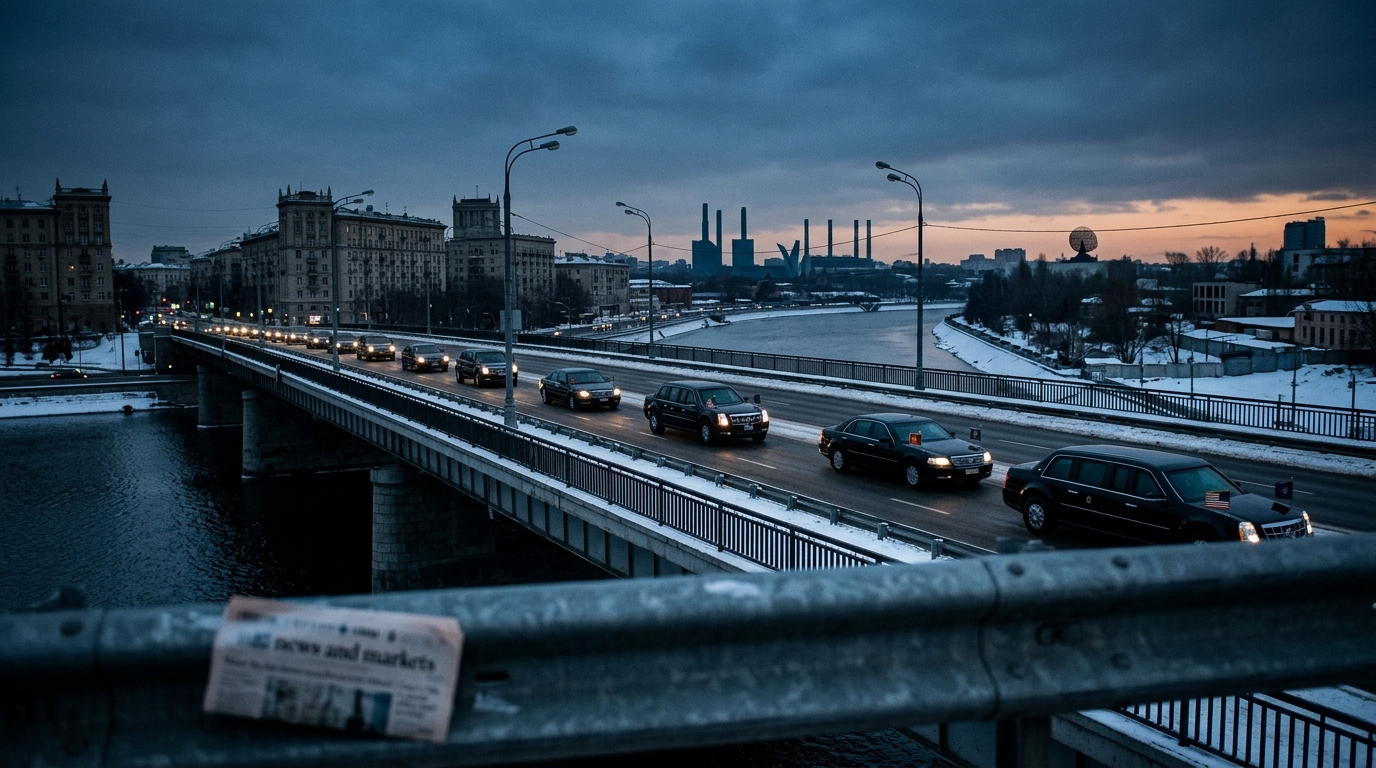
When two senior White House envoys spend more than three hours at the Kremlin, then travel to Kyiv the next day, markets should not be surprised if they wake up to a headline that moves defence shares before the London open. That is the exact situation traders are in this Monday morning.
The Kremlin meeting on Saturday ran more than three hours and ended without any announced breakthrough. After the meeting, the envoys were photographed leaving a restaurant in central Moscow later that day. After travelling to Kyiv, Witkoff described the Zelensky talks as “substantive” and said he was “very encouraged.” Witkoff and Kushner held three rounds of talks with Zelensky and Ukrainian officials, and national security advisers from the UK, France, and Germany joined the third meeting. That third room matters. European governments are no longer observers.
The visit was aimed at reviving negotiations that have been stalled for months. It followed a stretch in which the administration’s diplomatic bandwidth was heavily focused on the separate conflict involving Iran. Ukraine is back at the top of the agenda, and that changes the calculus for two trades that have grown very large and very crowded.
The Defence Trade Has Been Here Before
The market’s response to peace signals is not hypothetical. In April, shares of major European defence contractors fell sharply on reports that lifted hopes of progress toward a Ukraine-Russia deal, with Rheinmetall down about 5.7% and Leonardo declining roughly 5% in a single session. Those were single-session moves on shifting expectations. A concrete framework would carry a bigger punch.
Gerry Fowler, head of European equity strategy at UBS, has described European defence as among the market’s most crowded pockets, a backdrop that can exacerbate volatility. Crowded trades do not sell off gently. When positioning unwinds, it tends to happen faster than the underlying fundamental change warrants.
The longer-term case for Rheinmetall and BAE Systems does not depend on the Ukraine war continuing. European defence valuations are anchored in structural budget increases rather than short-term Ukraine revenue, and rearmament plans are unlikely to reverse even in the event of a peace agreement. McKinsey calculates that European NATO core defence spending has doubled since 2019 and could reach around 800 billion euros by the end of the decade. Those commitments exist regardless of what happens in Kyiv. The problem is not the five-year earnings path. The problem is the next 72 hours of positioning.
Gas Is the Other Side of This Trade
TTF gas has its own peace-deal memory. In late November 2025, as hopes for a Russia-Ukraine deal grew, European gas prices dipped below €30/MWh, with the Dutch TTF December 2025 contract trading as low as about €29.2/MWh, the lowest level since mid-May 2024. The logic is straightforward: a ceasefire opens a path to some normalization of Russian pipeline flows, real or just anticipated. Even a plausible prospect of resumed supply narrows the risk premium baked into European gas prices. Brent carries a smaller but related geopolitical risk premium that traders should audit as well.
The current talks have produced no deal and significant gaps remain. Putin opened the meeting by describing the situation in Ukraine as “not simple” and has repeatedly framed Russia’s demands as non-negotiable in public. A source briefed on the U.S. effort has said Witkoff and Kushner want to work with the parties on a refreshed peace proposal. A refreshed proposal is not a signed agreement. But the market prices probability, not certainty.
The Trader’s Lesson
Diplomatic processes rarely move in straight lines. This weekend’s shuttle could stall by Wednesday and be forgotten by Friday. The lesson here is not to make a directional bet on peace breaking out. It is to know your exposure before you need to manage it. Traders who hold European defence names or are long TTF through energy equities should answer one question today: if a credible joint statement on ceasefire terms crosses the wire during market hours, how large is the position they will be managing in real time, and at what level does it force a decision? Identifying that level now, at the open, is cheaper than discovering it mid-session.