
October 1, 2026
Bonus Content: The BOJ Signaled an October Hike Is Unlikely. The Yen Heard It Clearly.

Silver is up more than 50% in a year. Nobody is watching.
Silver ran to a record in January and half the world noticed. Then it gave back roughly half the move, and most of them left.
One explorer continued working while the crowd was elsewhere.
The BOJ Signaled an October Hike Is Unlikely. The Yen Heard It Clearly.
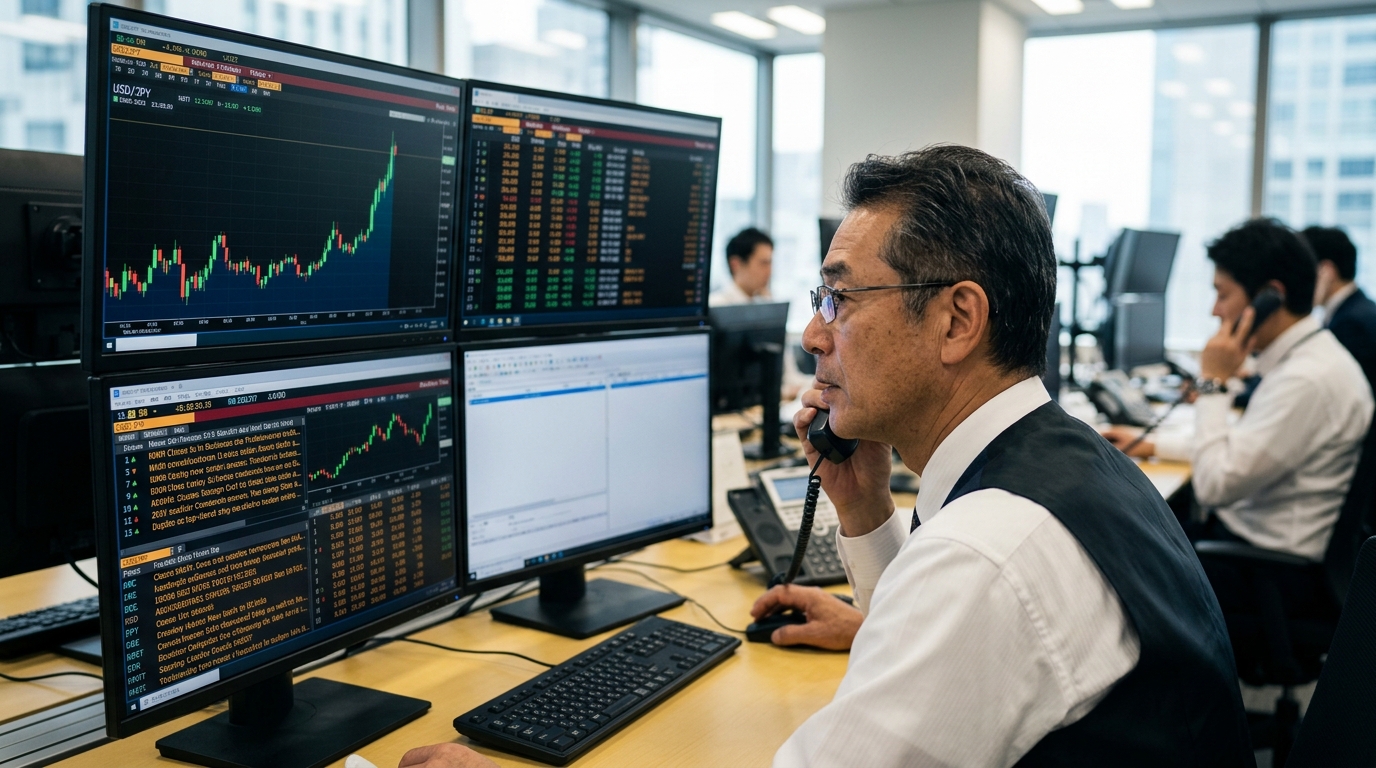
The Bank of Japan handed markets a clear signal this morning, and the yen moved accordingly. USD/JPY hit 158.30 on October 1, with the yen the weakest performer among G10 currencies, after two releases landed within the same 8:50 a.m. Tokyo window: the Summary of Opinions from the September 17-18 meeting and the quarterly Tankan survey. Neither was a disaster. Combined, they were enough to push October hike pricing down to below 20%.
What Happened
The Tankan showed big manufacturers at +24, against a forecast of +25 and a June reading of +22, while big non-manufacturers came in at +35, down from +37 in June and against a forecast of +36. Big manufacturers improved from the prior quarter. Big non-manufacturers softened. Both missed consensus. That gap between direction and speed is exactly where the yen is trading right now.
The BOJ’s September Summary of Opinions showed a hawkish tilt, with some members open to faster hikes, while others argued for taking time to confirm whether inflation is sustainably anchored near 2%. The summary also flagged concerns about weak consumption and subdued services inflation. A Cabinet Office representative urged the BOJ to closely assess the cumulative effect of past rate increases and to uphold accountability in its decision-making. Together, the documents confirmed what the market already suspected: the next hike is coming, just not next month.
Why It Happened
Markets were not looking for hawkish surprises in the Summary of Opinions. They were looking for reasons to price an October move. They did not find them. Analysts said the opinions largely confirmed that the BOJ debated further hikes and a faster pace after September, while Japan’s patchy business mood reduces pressure on the bank for an immediate move.
The yield gap remains the structural problem. The 10-year JGB traded near 3.085% after the Tankan, its highest since 1996, while the U.S. 10-year stood at 5.29% on September 30, leaving more than two percentage points of extra yield at the same maturity. That spread keeps dollar-funded carry trades alive and keeps the yen on the back foot regardless of what BOJ members say about the direction of policy.
How Professionals Might View It
Disciplined traders are reading this session as a confirmation trade, not a directional surprise. The BOJ hiked on September 18, taking its policy rate to 1.25%, its highest since 1995. The decision was split 7-2, with board members Toichiro Asada and Ayano Sato dissenting. A dovish vote split, a Tankan that missed, and a Cabinet Office calling for caution: each element individually is manageable. Together, they build a case that October 30 is a hold.
The more important question for active traders is not the hike odds. It is intervention. The area around 160 is widely seen as raising the odds of official action. At 158.30, the yen is not far from that threshold.
The Ministry of Finance has disclosed 15.3993 trillion yen of yen-buying, dollar-selling intervention for the period from July 30 through August 26. That history matters. Intervention does not reverse a trend built on a 200-basis-point yield gap, but it can produce violent, fast moves against short yen positions. Sizing accordingly is not caution. It is professional discipline.
What Comes Next
The Nikkei 225 rose 2.5% today, led by chip-related stocks after strong earnings from Micron. That divergence between a falling yen and a surging Nikkei is the session’s clearest signal. A weaker yen directly inflates yen-denominated earnings for Japan’s exporters and chip suppliers, which is why banks and insurers came under pressure as money rotated away from financials and back into AI and semiconductor shares.
Watch the October 30 BOJ meeting as the next hard catalyst. The BOJ’s quarterly growth and inflation forecasts, due at that meeting, are the next catalyst for the hike-timing debate. Until then, the yen’s behavior above 158 will tell traders more about market conviction than any forward guidance will.
The Trader’s Lesson
Today’s session is a textbook example of trading the gap between direction and pace. The BOJ is hiking. Nobody seriously disputes that. What moved the yen was not doubt about the destination but doubt about the calendar. Markets do not just price what a central bank will do. They price when. When the timing signal weakens, as it did today, currency positions move fast regardless of the longer-term outlook. Knowing which variable the market is actually trading at any given moment is more valuable than having the right macro view six months out.