
October 27, 2026
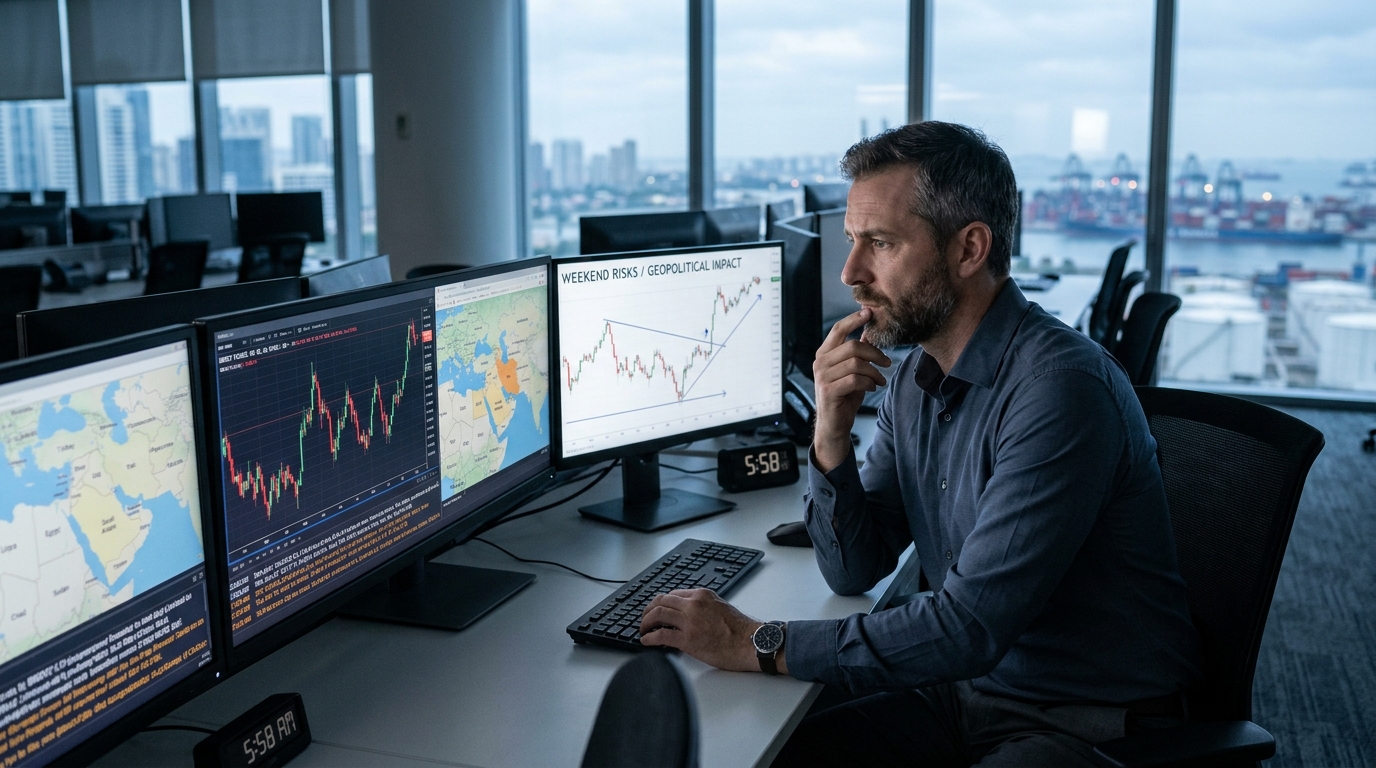
Diplomacy headlines gave traders an excuse to sell Brent on Tuesday. The infrastructure risk they were selling away from is still burning.
Brent dropped to $115.23 on Tuesday, down about half a percent on the session. The reason traders cited: renewed diplomacy. Security officials from Saudi Arabia, Pakistan, and Turkey met Iranian leaders in Tehran in a fresh push for de-escalation. Iran’s security chief called the discussions “very good.” That was enough for energy traders to lighten up.
The Supreme Court Protected Your Location. What About Your Financial Data?
In June, the Supreme Court ruled that acquiring an individual’s cell-phone location data constitutes a Fourth Amendment search. But your financial activity on most public blockchains can still be visible. One overlooked altcoin was designed around financial privacy – and our team believes it deserves attention as crypto momentum builds.
Discover our next “Freedom Coin” and get the complete $3 research report today.
But the session did not exactly cooperate with the diplomatic story. A fire broke out near the Ras Tanura oil export hub on the Persian Gulf following an early Tuesday attack, according to OilPrice.com. Saudi authorities said they moved quickly to contain it. Hours later, Iran’s military reported an oil tanker caught fire after striking naval mines in the Strait of Hormuz. These were not hypothetical risks. They happened on the same day the market was pricing in a softer geopolitical backdrop.
This is the central tension energy traders are navigating right now. Brent is up roughly 75% from where it traded a year ago. A large portion of that move is a war premium, which means it is also a diplomacy discount waiting to be applied. Every credible peace signal hits the bid. But the physical infrastructure risk has not gone away: Houthi missiles reached Riyadh again Tuesday, with Saudi Civil Defense reporting debris from two intercepted ballistic missiles falling over the capital. Hormuz shipments that had partially recovered are now under fresh mine threat. The Strait remains contested in ways that a meeting in Tehran cannot resolve in a single afternoon.
WARNING: AI Is About to Escape Earth (Watch Now)
Sam Altman calls Elonâs plan “ridiculous.”
AI is set to add an estimated $15.7 trillion to the world economy.
But according to Elon Musk, launching AI into the stars could ignite a brand-new $26 trillion market.
Meanwhile, Israelis went to the polls Tuesday with the energy market watching closely. Prime Minister Benjamin Netanyahu has made regime change in Tehran an explicit campaign goal, while his challenger Gadi Eisenkot has argued regime change is not an achievable objective. The election result matters for how aggressively the U.S.-Israeli coalition approaches the next phase of the conflict, and by extension how much geopolitical premium stays embedded in crude.
Reuters technical analysis flagged something worth keeping in mind. WTI is sitting near the top of its year-to-date range around $100, and at least two unfilled price gaps remain below the market: one in the $83-$85 zone, another in the high $60s. Markets tend to eventually trade back through gaps. That does not mean oil falls tomorrow, but it means the chart carries structural downside risk that the headline risk premium has been papering over.
The Profit Potential of a Rare Producing Copper Mine
The world is in dire need of copper. It can’t just come from anywhere. It needs to be of a certain grade and from a safe mining jurisdiction. Only then will it be able to meet growing demand and only then will traders begin paying attention to it. There aren’t many copper mines that fit that criteria, but one in the Yukon does and anyone who invests in it will do very well in the emerging copper bull market.
Valero fell 6.55% Tuesday, one of the worst performers in the market. Refiners tend to get hit hardest when crude pulls back on supply-relief headlines, because the crude cost savings rarely come through as fast as the margin compression from lower crack spreads in a falling oil environment. That is the refiner’s asymmetry in a war-premium market: you do not fully benefit on the way up, and you absorb the correction on the way down.
The lesson today is about the difference between a catalyst and a resolution. Diplomatic meetings are catalysts for repositioning. They are not resolutions. A tanker on fire in the Strait of Hormuz and missiles over Riyadh on the same day as a “very good” diplomatic session is the market reminding you that the underlying risk has not been priced away. Size energy exposure accordingly.