
November 6, 2026
Bonus Content: Gold Fell to $4,044 With Stocks. That Tells You More Than the Number.
Attention Traders…
If you’re willing to be at your computer between 9 am and 10:45 am on most weekdays…
I can show you one simple trade that can potentially bankroll your retirement.
Hi… I’m Dave Aquino and I help everyday Americans go after their retirement goals sooner… by teaching them how to master the retirement trade.
The Retirement Trade is designed to be used every morning between 9am and 10:45am eastern time.
Why this window?
Well… I can’t share that information here on this page…
But don’t worry because you’ll discover the exact reason why inside the free report you see pictured below…
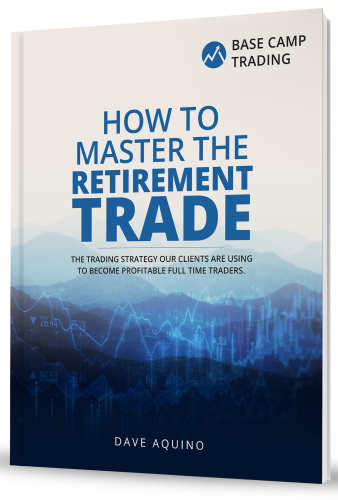
And it’s yours – for FREE!
But please don’t delay, because it might not be free for long.
Just click here to claim it today…
– Dave Aquino
Partner, Base Camp Trading
Gold Fell to $4,044 With Stocks. That Tells You More Than the Number.
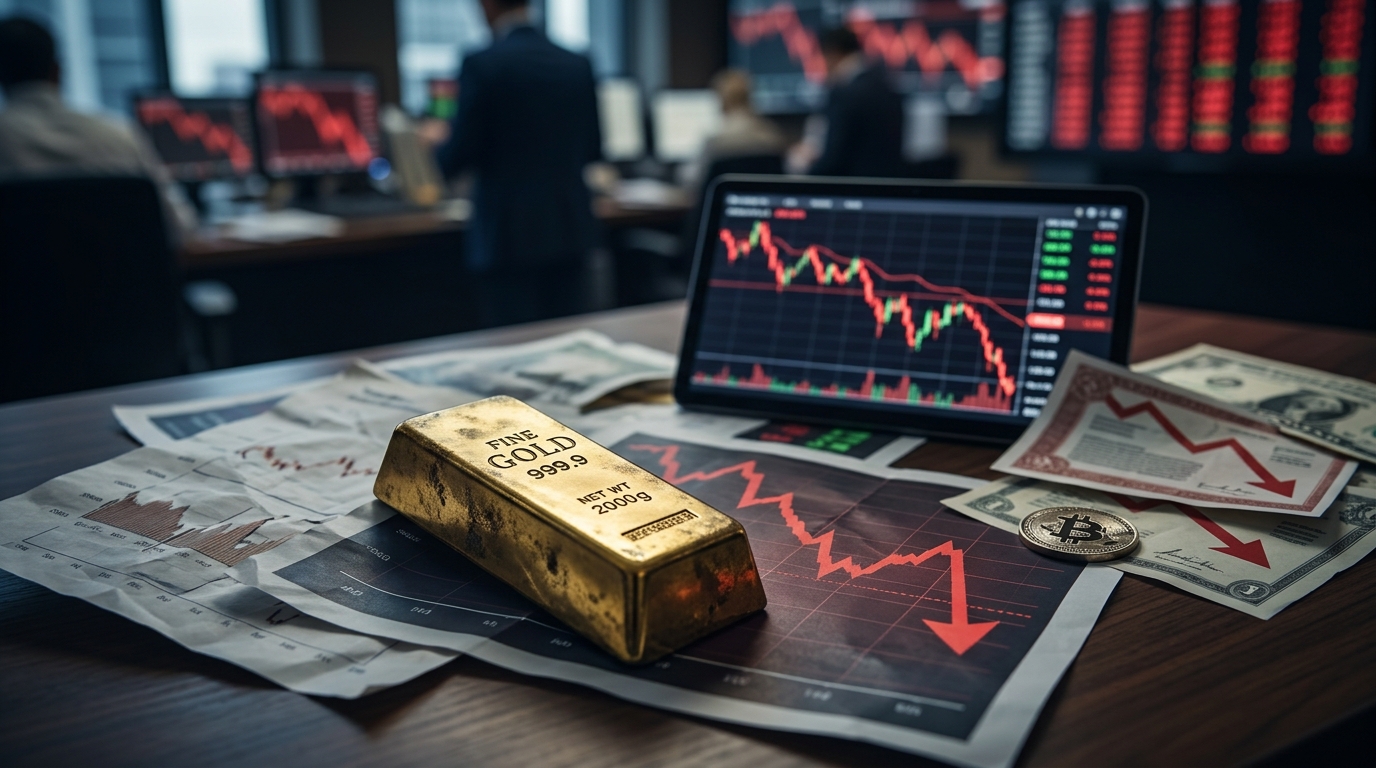
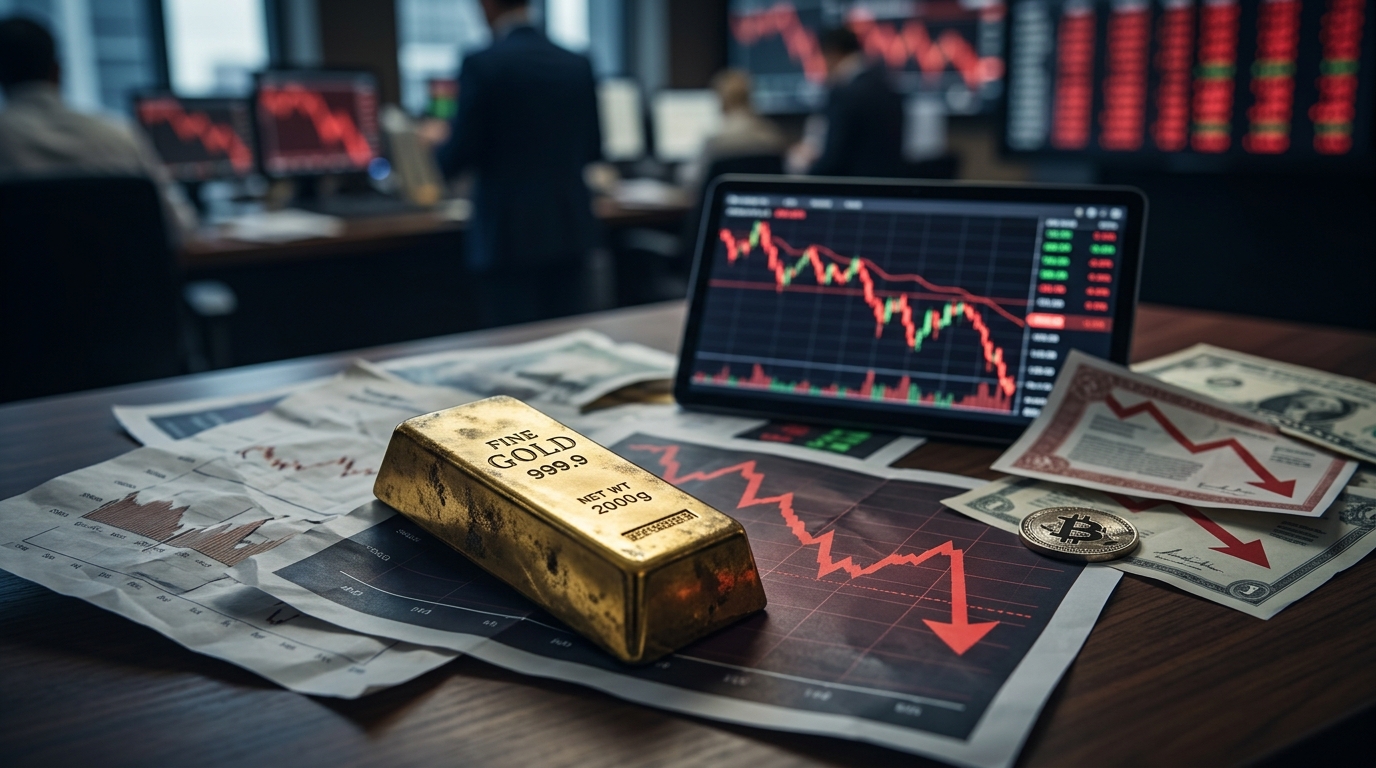
Gold is supposed to be the asset that holds its ground when everything else is burning. On Friday it did not. Spot gold fell about 1.1 percent to roughly $4,044 an ounce in early Friday trading, and December futures slipped about 1.5 percent to around $4,053. The decline would have looked unremarkable in isolation. What made it notable was the company it kept.
Asia’s tech-heavy markets crumbled as fears of increased regulatory scrutiny and a slowdown in AI build-out followed the steepest fall in US stocks since the tariff-triggered rout in April 2025. Bitcoin did not fare better. Bitcoin fell toward $76,000 as long liquidations mounted and tech stocks sold off. Gold dropped at the same time, in the same hours, in the same direction. That synchronized behavior is the story.
Why It Happened
When gold falls with equities rather than against them, the textbook explanation is margin-call selling. Gold’s decline was influenced by broad selling across precious metals markets, as investors sold gold to generate cash and meet margin requirements in other positions, with the tech rout being the trigger. Tim Waterer, chief market analyst at KCM Trade, said investors were disposing of gold positions to raise liquidity and meet margin calls. HSBC Asset Management has made the same point more bluntly in research notes: when falling equity markets trigger margin pressure, investors can be forced to sell gold to raise cash, putting pressure on gold and stocks simultaneously.
The pattern has shown up before in this market cycle. CME Group did raise margin requirements for some gold and silver futures contracts earlier in 2026 during bouts of volatility, but the specific claim that maintenance margins were raised from 6 percent to 8 percent for gold and from 11 percent to 15 percent for silver is not supported by CME notices and Reuters reporting, so it does not belong here. Friday’s move did not come with a fresh margin hike, but the mechanism was the same: institutional players facing urgent margin calls must sell what they can, mainly their liquid winners, to cover losses. Gold can act as a market ATM during initial panic.
Oil added a secondary layer of pressure. Gold prices can slip when oil rebounds if it feeds inflation worries and higher-for-longer interest rate expectations. On Thursday, Cleveland Fed President Beth Hammack said the Fed has more work to do to bring inflation back to 2 percent, and Goldman Sachs lowered its end-2026 gold price forecast to $4,150 per ounce from $4,650, citing a more hawkish Fed shift. Those are real fundamental headwinds. But they do not explain the speed or the synchronization of Friday’s selling.
The hawkish Fed signal is not new to gold markets. The options structure around GLD showed how a dot-plot shift toward rate hikes resets gold’s trading range.
How Professionals View It
Experienced traders distinguish between two types of gold selloffs: those driven by a change in the fundamental view, and those driven by forced deleveraging. The difference matters because one suggests a regime change and one does not. Gold often follows a two-phase pattern during liquidity events: an initial decline followed by recovery. In 2008, gold fell sharply during the worst of the financial panic before recovering and eventually reaching new highs. In March 2020 it dropped more than ten percent in a week before reversing violently higher. In both cases, the selling stopped when the forced liquidations stopped, not when sentiment improved.
That framing is what disciplined traders are applying today. Several pressures were acting at the same time: forced liquidation to meet margin calls, unwinding of futures positioning, a shock from the technology-stock selloff, higher oil prices feeding inflation fears, and renewed expectations of further Fed tightening. The convergence is what makes this worth watching.
Bitcoin’s simultaneous drop was not coincidental. Spot bitcoin ETF outflows of $643 million in a single session show how the same forced-liquidation wave moved across asset classes.
What Comes Next
Spot gold reached $4,134.83 at its Thursday peak, its highest level since October 22. Even after Friday’s drop, gold was still on track for its best week since late August. That means the weekly trend has not broken. The question is whether the selling is structural or positional. Watch the $3,990 level, which some traders are treating as the first technical floor. A close beneath it would shift the conversation from temporary deleveraging to something more concerning. Silver and platinum, which both fell in concert with gold, offer confirmation either way: if they stabilize or diverge from equities on the next down session, that is the forced selling exhausting itself.
The Trader’s Lesson
Gold declining alongside stocks and bitcoin is not a failure of the asset. It is a feature of how leveraged portfolios unwind. A valid long-term allocation thesis does not guarantee gold will rise in every market turmoil. When equity declines trigger margin pressure, investors holding leveraged positions sell liquid assets to top up cash, making gold a target. At such times gold may not hedge equity drawdowns and may fall in tandem with stocks. The lesson is not to abandon the thesis; it is to size positions so that a margin-call event does not force your hand at the worst moment.