
October 5, 2026
Bonus Content: Aramco Burns Near Riyadh. Oil Falls Anyway.
Washington Is Building. This Market Could Create a New Nasdaq Winner.
American strength has always come from building smarter, faster and better.
Small drones costing hundreds of dollars can now compete against tanks and military equipment worth millions.
That changes the economics of defense. The war in Ukraine has already proven just how powerful that advantage can be.
Washington sees the opportunity.
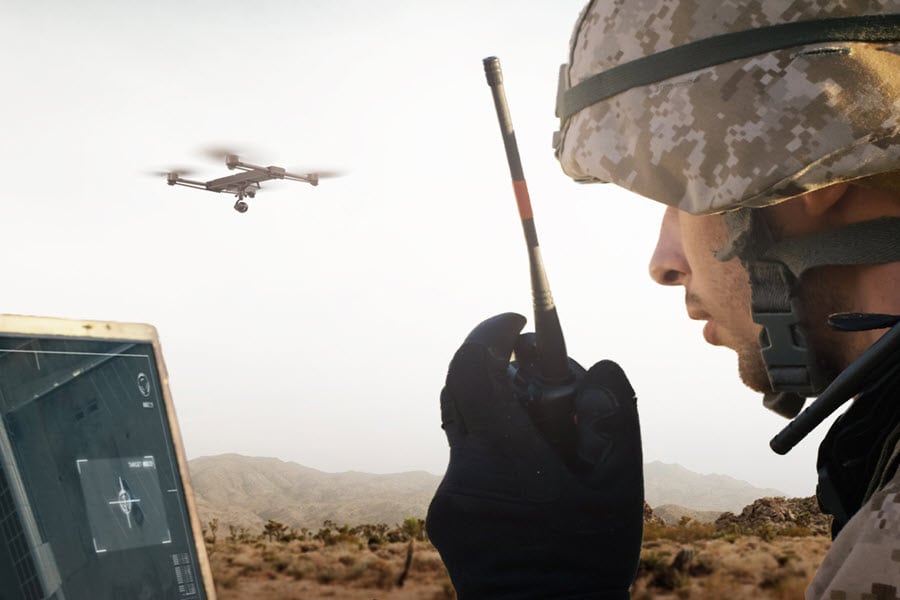
The Pentagon wants around 300,000 drones, while the government is prioritizing domestic manufacturing, secure supply chains and wider adoption of American made systems. America intends to lead this new market and build the technology here at home.
For investors, that push is happening inside a global drone industry projected to reach $182.4 billion by 2033.
One overlooked Nasdaq company has spent more than 25 years developing professional drone technology. It has patents, a broad product platform and systems already tested in real world missions.
Yet its shares are still trading under $5 for now.
If America leads the next era of flight, this quiet company may help power the charge.
Aramco Burns Near Riyadh. Oil Falls Anyway.
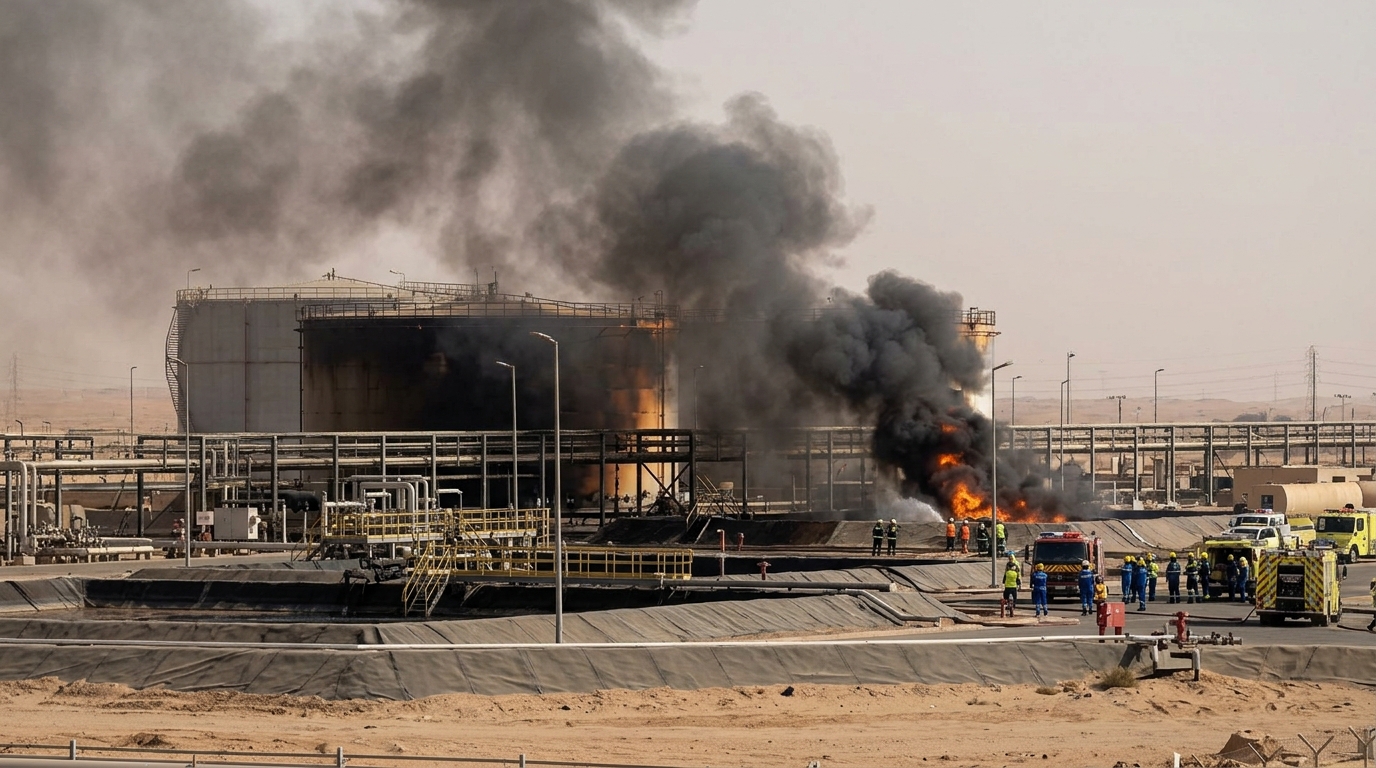
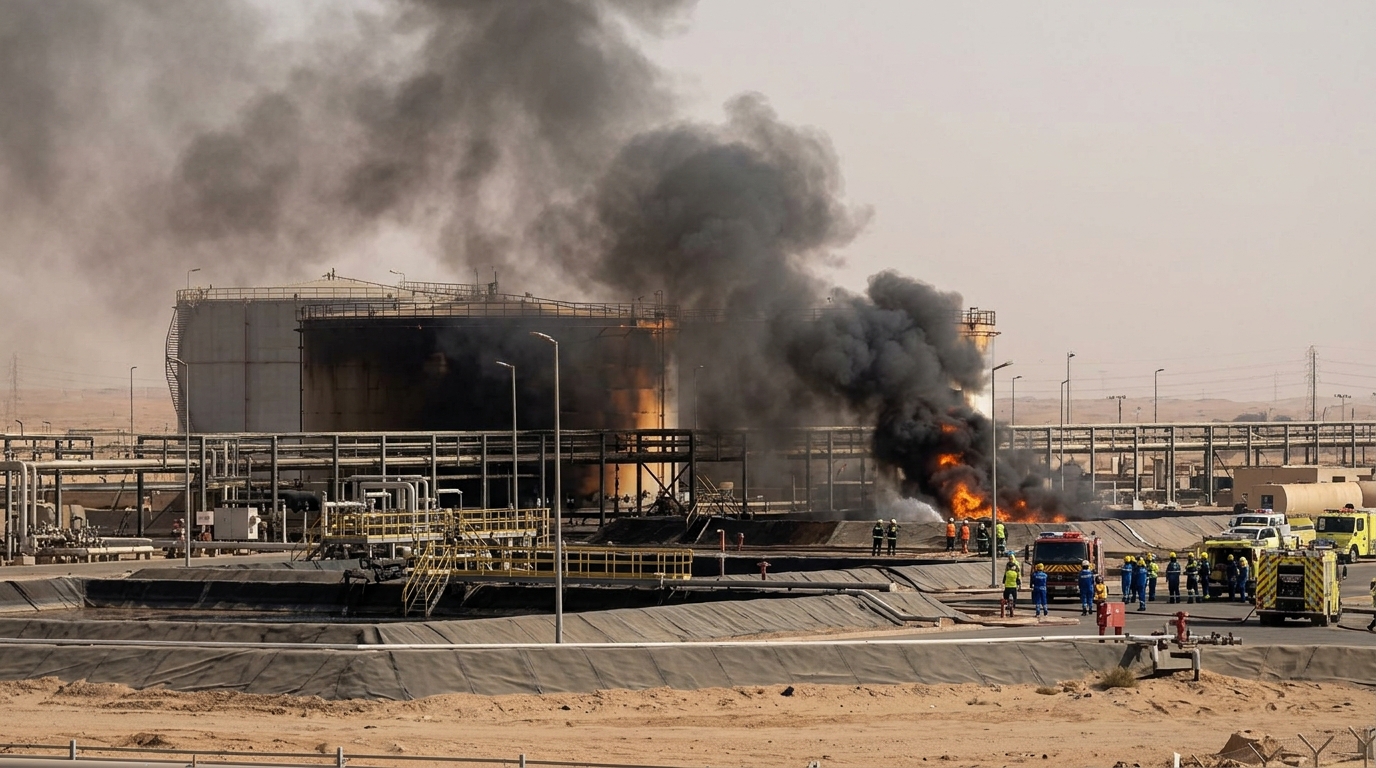
Fires burned south of Riyadh on Saturday after Yemen’s Houthis claimed they struck Saudi Aramco facilities in the Riyadh area and at Khurais with ballistic missiles and drones. Brent is down on the day anyway, trading around $101. That gap between a burning site near the Saudi capital and a falling benchmark is the entire lesson of this session.
What Happened
On Saturday, October 3, Houthi military spokesman Yahya Saree announced that the group had carried out operations targeting Aramco in the Saudi capital, Riyadh, and the Khurais area of eastern Saudi Arabia, describing the strikes as retaliation for Saudi-led coalition strikes on Sanaa. Reuters reported a witness saw smoke and fire rising near an Aramco facility in Riyadh, and AFP reported its journalist saw flames and a large smoke plume from an Aramco site south of the capital. The Saudi-led coalition called the Houthi account misleading. Aramco did not immediately comment on the cause of the fire.
Khurais is one of Saudi Arabia’s principal oil-producing areas. It is not a peripheral target. This follows a claimed Houthi strike on Aramco facilities at Yanbu the previous week, which Saudi Arabia said it intercepted without reporting damage.
Why Oil Didn’t React
Three forces are working against the bulls, and right now they are winning.
First, supply is back. JPMorgan estimates Middle East crude exports have rebounded to 17.5 million barrels per day, or 98% of pre-war levels, as Hormuz traffic recovered and Saudi Arabia restored about half of East-West pipeline flows after damage earlier in September. A facility fire that Aramco itself has not explained is not enough to move that math.
Second, the G7 is releasing reserves. On October 2, G7 leaders announced a coordinated release of 100 million barrels through the IEA over four months, with a front-loaded diesel release within the first 20 days. The announcement changed the psychological ceiling for crude. Traders know supply is coming.
Third, and most important for anyone trading energy longer term: spare capacity remains meaningful, with the bulk held by Saudi Arabia and the UAE. A June 2026 International Energy Agency assessment put Saudi sustainable capacity around 12.1 million barrels per day, versus production running well below that level at the time. That buffer is the oil market’s equivalent of a central bank backstop. Riyadh can respond to a verified supply disruption far faster than a Houthi missile can create one.
How Experienced Traders Are Reading This
The pattern is becoming familiar. Brent jumped in early Asia trading on the Aramco claims, then faded. That failed rally extended a sequence of strike-driven pops that get sold within hours. Disciplined traders recognize the structure: the first move belongs to algorithms reading the headline; the second move belongs to those who ask whether the supply picture actually changed.
It hasn’t, not yet. Saudi Arabia and Aramco have not confirmed damage. Refined product exports remain a genuine problem, still at just 58% of pre-war levels according to JPMorgan, but that downstream squeeze does not lift Brent the way a confirmed crude production hit would. The market has learned to separate crude availability from product availability, and for now crude is flowing.
What Comes Next
Watch Aramco’s silence. If the company issues a production update in the next 48 hours, read it carefully. No news remains the most bearish short-term signal for crude bulls. Energy equities worth monitoring include XOM and CVX as indicators of how institutional investors are pricing operational risk at the major integrated level, and VLO as a read on refinery margin pressure from the diesel gap. Defense names RTX and LMT have absorbed more of the risk-premium trade than oil stocks, which itself is a signal: the market views this as a military escalation problem, not a supply problem.
The harder question is whether that judgment survives a confirmed, material hit to Khurais. It may not.
The Trader’s Lesson
When a market refuses to rally on genuinely alarming news, the market is telling you something about positioning and available supply. Brent falling after missiles were claimed to have hit near the Saudi capital is not a broken market. It is a market that has already priced fear and is now discounting known supply cushions. Trade the confirmation, not the claim.