
For a while now, I’ve been showing regular traders like you how to take advantage of a specific 60-minute window…
One that lets us go after 50% returns every morning – whether the market opens higher… or lower.
Here’s what I mean…
If you had spotted this 60-minute opportunity yesterday morning… all you would’ve had to do was place a quick trade before 10 am…
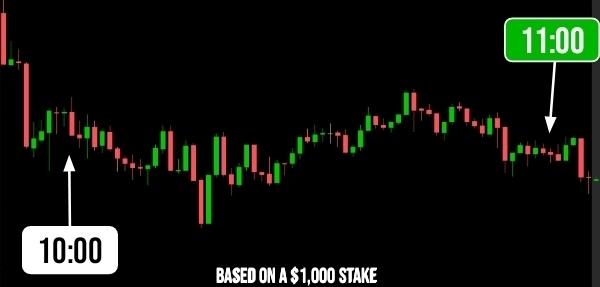
Went ahead with your morning plans and when you return a couple of minutes later, there’s a good chance you’d find $500 in extra income sitting in your account (on a 1k stake)
It wouldn’t have mattered what happened with the overall market… this 60-minute window would have been all you needed to target cash.
Today? Same story.
Place a quick trade, grab your coffee… and let the setup do the heavy lifting.
And just 60 minutes later… come back to what could be a nice $500 in extra income sitting in the brokerage account.
I designed the setup to be that straightforward.
Granted, there will be trades that won’t work out
But if you want in?
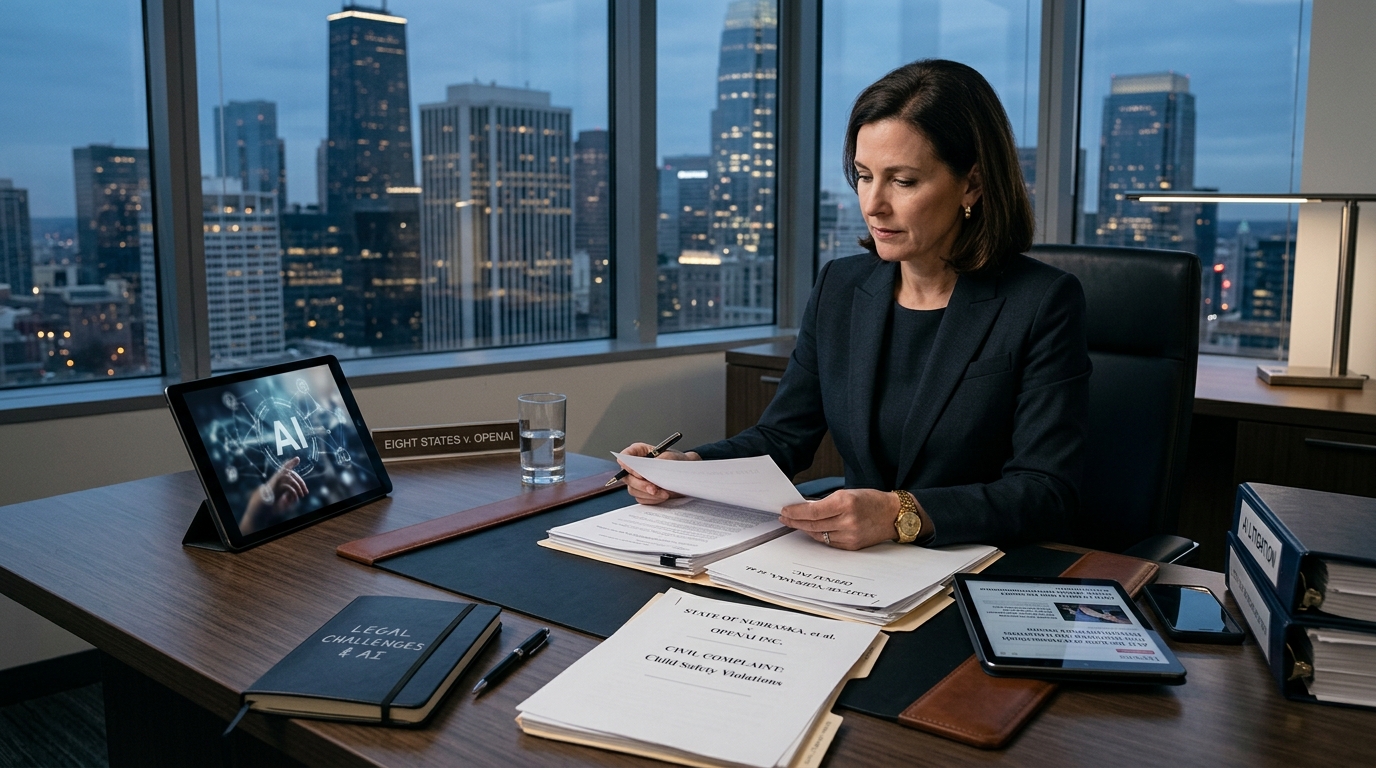
Eight States Sue OpenAI Over Child Safety. Every AI Name Should Feel It.
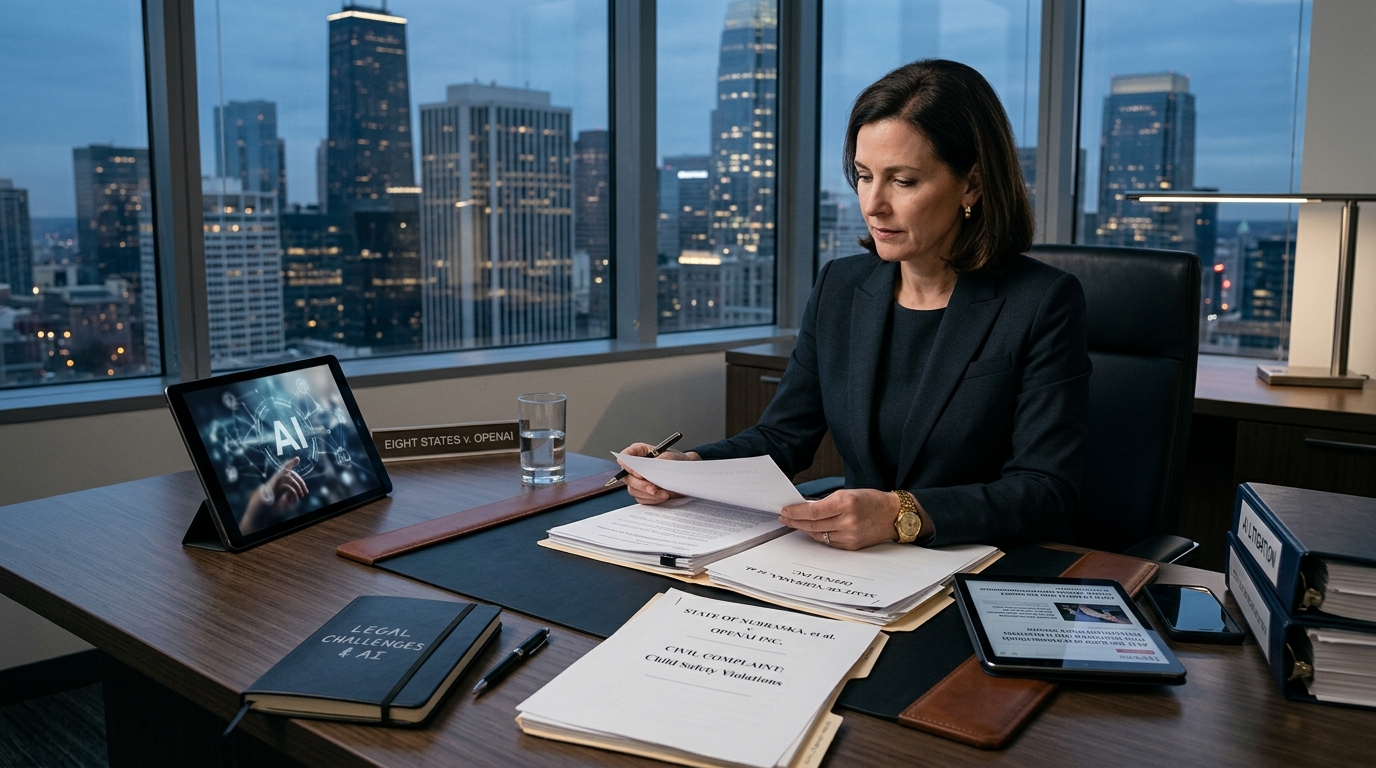
The most useful thing a trader can do with Tuesday’s OpenAI lawsuit is resist the urge to treat it as a consumer-protection story and start reading it as a capital-markets one.
Eight US states, Arizona, Arkansas, Idaho, Iowa, Kansas, Montana, Nebraska, and West Virginia, filed coordinated lawsuits against OpenAI on October 14, alleging that its ChatGPT chatbot harms children and that the company has misled parents about the risks.
The lawsuits allege that ChatGPT’s design encourages excessive use and emotional dependency, making it particularly harmful to vulnerable users, including children. Attorneys general filed the suits independently in state courts, claiming ChatGPT is designed to be agreeable and engaging to earn the trust of users, but that the chatbot reinforces delusions, encourages dangerous behavior, and assists users in planning violence.
Those details matter, but they are not the trading lesson. The lesson arrived three days earlier.
Character Technologies, operating as Character.AI, filed for voluntary Chapter 11 bankruptcy protection in the United States Bankruptcy Court for the District of Delaware on October 12. In a sworn declaration, CEO Colin Adams cited the company’s high legal costs, struggle to become profitable, and potential investors’ concern over litigation. A company with tens of millions of users did not run out of product. It ran out of runway because lawyers became its biggest cost center.
Character.AI’s collapse is not an isolated data point. Anthropic faces its own version of this pressure, pricing a historic IPO into a legal and macro environment that is actively working against it.
Now consider the sequence OpenAI is navigating: the FTC sent civil subpoenas to OpenAI and Anthropic seeking documents about safety incidents that could amount to potential consumer protection violations. That federal action landed the same week as the eight state suits. The state lawsuits also come after Meta agreed to pay up to $18 billion to settle states’ claims over children’s safety, extending states’ scrutiny from social media to AI. Attorneys general have watched that playbook work once. They are running it again.
For traders, the immediate concern is not OpenAI itself, which is still private. It is the second-order effect. A spiraling wave of lawsuits threatens to swallow OpenAI whole, and the fallout could shake the valuations of Microsoft, Google, and Anthropic before any verdict is reached. Microsoft holds a significant stake in OpenAI; Google has invested billions in Anthropic. Headline risk in a privately held company lands on the public balance sheets around it.
Anthropic’s timing is particularly exposed. Reuters reported in late September that Anthropic, which is preparing to go public, disclosed in its IPO prospectus that because the legal framework around AI agents is unsettled, agents’ actions could expose the company to significant and unpredictable legal claims. That warning comes from a business that has disclosed $4.6 billion in revenue for 2025, while also reporting multi-billion-dollar losses. Legal costs are not a footnote risk for a company in that position. They are a direct threat to the IPO price.
Disciplined traders do not wait for a verdict to adjust their thinking. They ask what a rational institutional investor does when the legal risk profile of an entire sector shifts inside a single week. The answer is almost always to demand a wider discount. That discount does not stay confined to the company being sued.
The Trader’s Lesson: Litigation is not a binary event. It is a slow-moving cost that erodes investor confidence, raises the return hurdle for new capital, and ultimately changes the pricing of the entire category. Character.AI’s bankruptcy is not a warning about one company’s product safety. It is a warning about what happens when legal exposure compounds faster than revenue. Before the next AI funding round or IPO attracts your attention, ask whether the legal cost structure has been stress-tested. If it has not, the discount you accept on entry is your first line of defense.